
A leisure battery is an indispensable component for those who enjoy camping with their caravan or motorhome, ensuring a seamless holiday experience. Unlike the batteries designed to start a vehicle, which deliver a high current surge to ignite the engine and are promptly recharged by the vehicle’s alternator, leisure batteries are crafted to supply a consistent flow of current over extended periods. These batteries are crucial for powering the 12V appliances within a caravan or motorhome, such as TVs, ovens, lights, and kettles, turning the vehicle into a comfortable home away from home. But with various battery types available—including Electric Vehicle Batteries, semi traction battery, Industrial battery, motive power battery, and Motive Power Electric Vehicle Battery—it’s easy to feel overwhelmed when selecting the right one for your caravan. This guide will break down the key factors to consider and clarify how these battery types differ, helping you make an informed choice.
First, it’s essential to understand the difference between a leisure battery and other battery types you may encounter, such as Electric Vehicle Batteries, Industrial battery, and motive power battery. Electric Vehicle Batteries are specifically designed to power electric cars, focusing on high energy density and long-range performance, which is very different from the steady, low-current output a caravan needs. Similarly, Industrial battery is built for heavy-duty applications like powering manufacturing equipment, forklifts, or backup systems, with high durability and deep-cycle capability to withstand harsh industrial conditions. A semi traction battery, also known as a monobloc battery, is engineered for consistent power delivery over extended periods, suitable for moderate-demand applications like off-grid solar systems or golf carts—though it can be used in caravans, it’s not always the most efficient choice compared to dedicated leisure batteries.
Motive power battery is another type to note: it’s designed to provide continuous, reliable energy for industrial and commercial vehicles, such as scissor lifts, delivery vehicles, and golf carts, with strong deep-cycle performance and durability. A close relative, Motive Power electric vehicle battery, combines the features of motive power batteries and Electric Vehicle Batteries, offering high power output and long cycle life for electric vehicles used in industrial or commercial settings. While both motive power battery and Motive Power Electric Vehicle Battery excel in heavy-duty use, they are overkill for most caravans, which require steady, low-power supply rather than high-performance energy delivery for long distances or heavy loads.
When choosing a leisure battery for your caravan, the first factor to consider is capacity, measured in ampere-hours (Ah). This determines how long the battery can power your 12V appliances before needing a recharge. For example, if you plan to use a fridge, lights, and a small TV for 8 hours a day, a 100Ah battery would be sufficient for most short trips, while longer off-grid stays may require a 150Ah or larger battery. Unlike Industrial battery or Electric Vehicle Batteries, which often prioritize high capacity for heavy use, leisure batteries focus on consistent, low-drain performance to keep your caravan appliances running smoothly without frequent recharging.
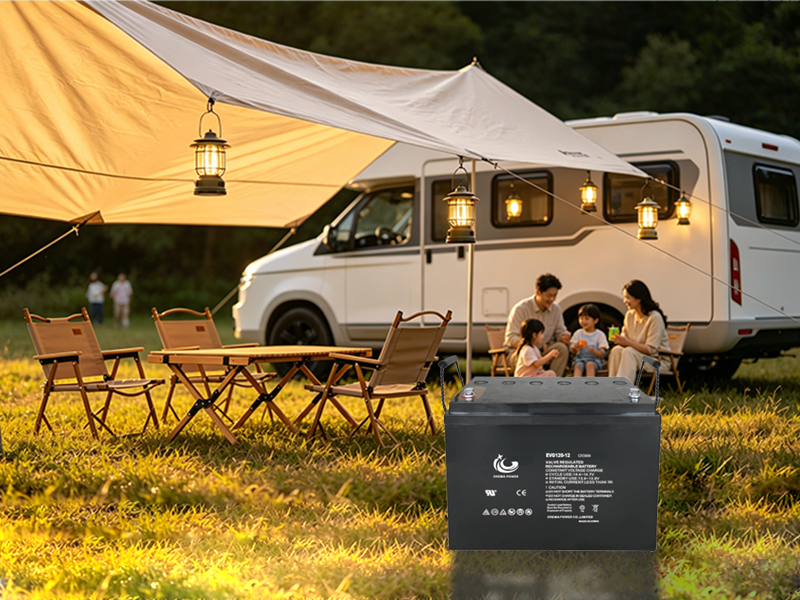
Next, consider the battery type—flooded lead-acid, AGM, gel, or lithium-ion. Flooded lead-acid batteries are the most affordable but require regular maintenance, such as checking electrolyte levels. AGM (Absorbent Glass Mat) batteries are maintenance-free, spill-proof, and vibration-resistant, making them ideal for caravans that face constant movement during travel. Gel Batteries are highly durable and resistant to extreme temperatures, though they charge slower than AGM Batteries. Lithium-ion leisure batteries, similar to the technology used in Electric Vehicle Batteries, are lightweight (up to 50% lighter than lead-acid), fast-charging, and have a longer lifespan (up to 10 years), but they come with a higher upfront cost.
Another key consideration is compatibility with your charging system. Most caravans can charge the leisure battery via the tow vehicle’s alternator, a mains hook-up at campsites, or solar panels with a charge controller. It’s important to ensure your battery is compatible with your charging method—for example, lithium-ion batteries may require a dedicated charger, while AGM and gel batteries work with most standard caravan chargers. Unlike semi traction battery or motive power battery, which may need specialized charging equipment for industrial use, leisure batteries are designed to integrate seamlessly with common caravan charging setups.
Durability and size are also important. Caravans have limited space, so choosing a battery that fits your available storage area is crucial. Additionally, the battery should be able to withstand vibration from travel and extreme temperatures, especially if you camp in hot or cold climates. While Industrial battery and semi traction battery are built for harsh conditions, dedicated leisure batteries are optimized for the specific needs of caravans, balancing durability with compact size.
To summarize, while Electric Vehicle Batteries, semi traction battery, Industrial battery, motive power battery, and Motive Power Electric Vehicle Battery all have their unique uses, they are not the best fit for most caravans. A dedicated leisure battery, chosen based on capacity, type, compatibility, and size, will ensure your caravan appliances run reliably throughout your camping trips. Whether you opt for an affordable flooded lead-acid battery for short trips or a premium lithium-ion battery for long off-grid adventures, taking the time to choose the right leisure battery will elevate your caravan camping experience, turning every trip into a comfortable and stress-free getaway.