
If you’ve ever dealt with the hassle of maintaining lead acid batteries for your solar setup, you know the struggle all too well—bulky frames, frequent charging cycles, short lifespans, and the constant worry of capacity fading over time. But what if there’s a smarter, more durable alternative that can transform how you store solar energy? Enter the LiFePO4 Lithium Ion Battery—a game-changer in the world of energy storage that’s quickly becoming the top choice for Lead Acid Battery Replacement.
Unlike traditional lead acid batteries, which have long been the go-to for solar systems but come with significant drawbacks, the Rechargeable LiFePO4 Battery is built using advanced LiFePO4 cells, which have been specifically engineered to offer a superior alternative to traditional lead acid batteries. This innovative battery has been designed to address the limitations of lead acid batteries by providing a lighter, more powerful, and longer-lasting solution. Let’s break down why this shift is more than just a trend—it’s a necessary upgrade for anyone serious about maximizing their solar investment.
First and foremost, weight and size matter, especially for off-grid solar setups or mobile applications like RVs and boats. Lead acid batteries are notoriously heavy and bulky, taking up precious space and making installation a labor-intensive task. On the flip side, lithium storage batteries (with LiFePO4 chemistry at their core) are up to 70% lighter than their lead acid counterparts while delivering the same or even higher energy density. This means you can fit more storage capacity in a smaller footprint, freeing up space for other equipment or simply making your setup more portable.
Durability is another key factor that sets LiFePO4 batteries apart. Lead acid batteries typically last 3–5 years, even with proper maintenance, and they’re prone to sulfation if not charged correctly—a common issue that drastically shortens their lifespan. In contrast, a high-quality rechargeable LiFePO4 Battery can last 10–15 years, with thousands of charge-discharge cycles under its belt. This longevity translates to fewer replacements over time, saving you both money and the hassle of frequent maintenance checks.
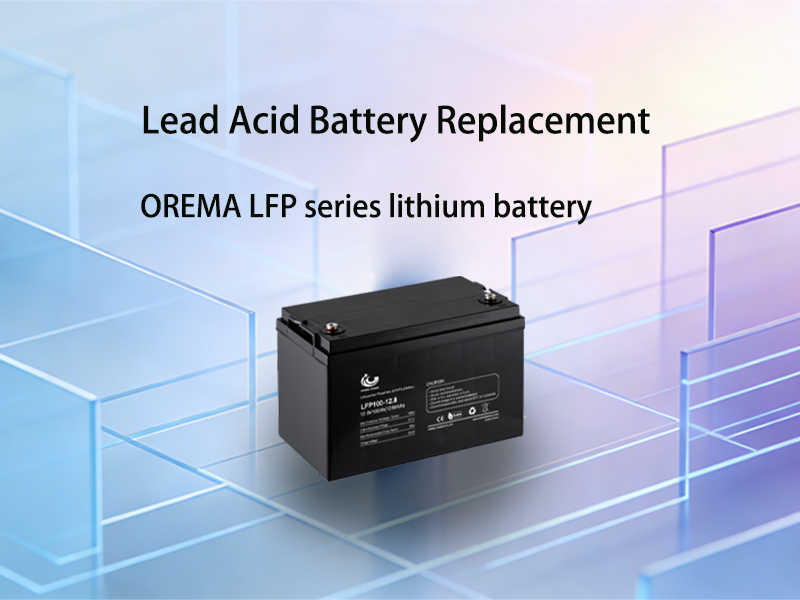
When it comes to solar energy storage, performance in varying conditions is non-negotiable. Lead acid batteries struggle in extreme temperatures, losing capacity in cold weather and risking damage in hot climates. LiFePO4 lithium ion batteries, however, have a wide operating temperature range, ensuring consistent performance whether you’re in a freezing winter or a scorching summer. They also charge faster and retain more capacity after each cycle, meaning you can store more of the solar energy you generate during the day for use at night or on cloudy days.
Let’s not forget about safety—a critical consideration for any energy storage system. LiFePO4 chemistry is inherently stable, with a lower risk of thermal runaway compared to other lithium battery types. This makes them a much safer choice for residential solar setups, where safety is paramount for homeowners and their families. Lead acid batteries, on the other hand, contain corrosive acid and can leak if damaged, posing environmental and safety hazards.
So, if you’re considering a lead acid battery replacement for your solar system, the choice is clear: LiFePO4 lithium ion batteries check all the boxes. They’re lighter, more durable, safer, and more efficient, making them the ideal Battery For Solar applications. Whether you’re powering a small off-grid cabin or a large residential solar setup, investing in a lithium storage battery will not only improve your system’s performance but also reduce long-term costs and maintenance efforts.
In a world where renewable energy is becoming more important than ever, upgrading to LiFePO4 technology is a step toward a more sustainable, reliable, and hassle-free energy future. Ditch the outdated lead acid batteries and make the switch—your solar system (and your wallet) will thank you.