
The Europe automotive AGM battery market value is expected to reach USD 3,813.68 million by 2030, registering a CAGR of 4.4% during the forecast period, says the expert analysis. AGM or absorptive glass pad is an advanced lead-acid battery that delivers superior power to meet the higher power demands of vehicles and stop-start applications. AGM batteries are extremely vibration-resistant, fully sealed, do not spill, and require no maintenance. Compared to conventional lead-acid batteries, AGM batteries have better cycling performance with minimal gas emissions and acid leakage.
The European AGM battery market for automotive is witnessing significant growth due to the growing demand for AGM batteries in the automotive industry. The growing demand for AGM batteries from the automotive industry is expected to drive the growth of the market. The superior characteristics of AGM batteries are expected to drive the growth of the market. On the other hand, the high cost of AGM batteries is expected to act as a major restraint for the growth of the market. Innovations in battery technology are expected to offer lucrative opportunities for the growth of the market. However, the lack of skilled professionals is expected to act as a major challenge for the growth of the market.
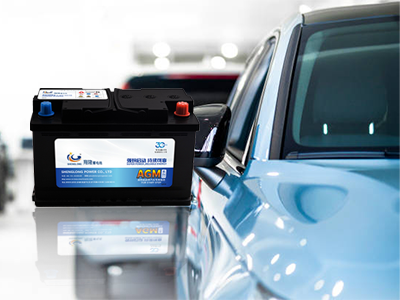
There is a growing demand for AGM batteries in the automotive industry
AGM batteries are increasingly being used in new cars not only because of their longer service life, but also because they perform better in high electric loads and start-stop systems. In the next few years, as many as 40 percent of new cars may be equipped with fuel-efficient start-stop systems and AGM batteries. AGM batteries are an excellent choice for high-end advanced fuel-efficient vehicles with high power requirements and for those who seek higher reliability and longer life of automotive batteries. Powerful electronic features such as GPS, heated seats and sound systems all increase the need for battery power. AGM cells can withstand long pauses because with this technology, no delamination occurs in the electrolyte, which is bound in the diaphragm and therefore less vulcanized. This suggests that AGM batteries are easier to charge than wet batteries after a long pause. Therefore, the demand for AGM batteries in the automotive industry has increased significantly due to their long service life and good performance.
Superior features of AGM batteries
AGM batteries are vibration-resistant, sealed, spillproof and maintenance-free. AGM batteries have better cycling performance, minimal gas emissions, and acid leakage compared to conventional lead-acid batteries. The result of all the functionalities of AGM technology is excellent service life. Over its lifetime, the AGM battery can start the engine more than 60,000 times. This is more than three times the number of times a conventional battery can be started, and the AGM battery can charge faster than a regular battery. One of the biggest advantages of using AGM batteries is that they are known as maintenance-free batteries. AGM has a lower self-discharge rate and a much longer service life than liquid-rich lead-acid batteries. If properly maintained, AGMs can last up to seven years, compared with three to five years for other batteries. As a result, AGM has a longer service life and performs better than any other battery.
The demand for AGM batteries for sound systems is increasing
AGM batteries are an excellent battery option for automotive electrical systems, and the demand for them is increasing, especially for car audio systems. It is designed to accommodate large amounts of electricity, making it ideal for long-distance travel cars. Consumers need to consider two things when buying a new car battery, namely start-up power and reserve capacity; If consumers need a single battery powerful enough for all electrical applications in a car (temperature-controlled seats, electric lift doors, and accessory lighting, among others), experts recommend equiling the vehicle with AGM batteries.
AGM batteries cost a lot
AGM batteries are less tolerant to overcharging and high voltages than liquid-rich batteries. AGM batteries are more expensive than conventional batteries because they are expensive to manufacture. As technology advances, vehicles require more and more electricity to run all these new functions. In Consumer Reports battery ratings, AGM batteries cost between 40% and 100% more than conventional batteries. The main disadvantage of AGM batteries compared to conventional liquid-rich lead-acid batteries is the high upfront cost. In AGM cells, glass pads are used. The glass mat is an additional coating on the lithium-ion and lead-acid rods. This extra coating creates additional costs for AGM cell manufacturers. As a result, the cost of AGM batteries has increased. This higher cost of AGM batteries as compared to other types of batteries is expected to act as a restraining factor for the market.
The automotive AGM battery market in Europe is a dynamic and evolving landscape. With the growing demand for fuel-efficient and environmentally friendly vehicles, along with the increasing popularity of start-stop systems and advanced electronics in automobiles, the market for AGM batteries is set to continue its upward trajectory. Manufacturers are constantly innovating and investing in research and development to meet the changing needs of the market and offer more efficient, reliable, and long-lasting battery solutions.
As technology continues to advance and consumer awareness about the benefits of AGM batteries grows, we can expect to see further growth and expansion in this market. Additionally, government regulations and initiatives aimed at reducing emissions and promoting sustainable transportation are likely to play a significant role in driving the demand for AGM batteries in Europe. With its numerous advantages and growing applications, the automotive AGM battery market in Europe holds great promise for the future.