
In today’s era of rapid digital communication development, every link—from base station signal transmission to emergency communication support—relies on stable and efficient power supply. Absorbent Glass Mat (AGM) batteries, with their unique structural advantages and outstanding performance, have become an indispensable “energy cornerstone” in the telecommunications field. Currently, the market offers a rich variety of AGM Batteries, including 12V AGM Battery, 6V AGM Battery, 4V Battery, and 2V Battery, which fully meet the needs of different communication scenarios and are highly favored by the industry.
For communication equipment, the reliability of the power supply directly determines service continuity. The reason AGM batteries stand out among numerous battery types lies in their three core advantages. Firstly, they offer excellent cost-effectiveness. Whether for bulk purchases in large-scale base station construction or supporting small communication devices, AGM batteries of different specifications can adapt to various budget ranges, achieving a perfect balance between performance and cost. Secondly, they boast strong discharge capacity—when faced with sudden high-power demands of communication equipment, AGM batteries can stably output current to ensure normal device operation. Finally, they feature ultra-low internal resistance, which not only improves energy conversion efficiency but also extends the cycle life of the battery, reducing long-term maintenance costs.
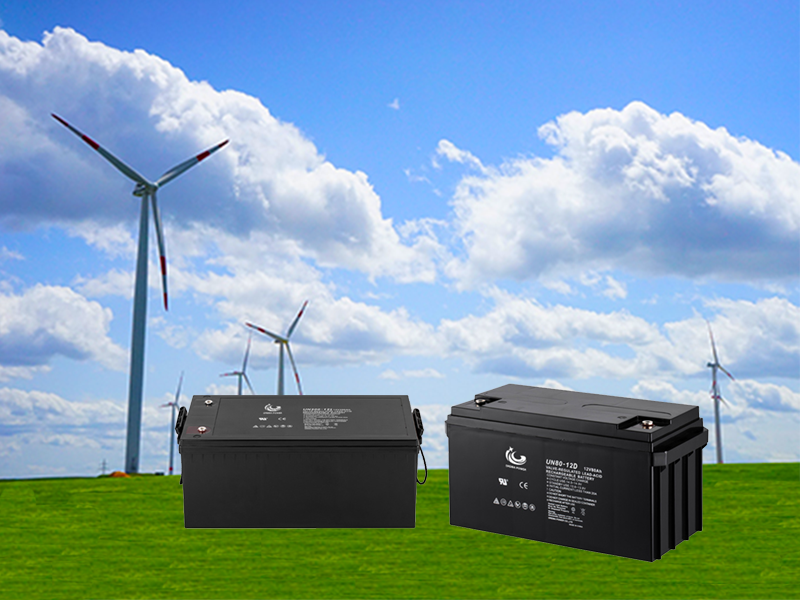
In the diverse family of AGM batteries, products of different specifications play unique roles in the telecommunications field. Among them, the 12V AGM Battery is undoubtedly the most widely used “all-rounder”. As a mainstream model among Sealed Lead-Acid (SLA) batteries, it combines high-power discharge performance and low internal resistance advantages. Whether as a backup power system for communication base stations or a core power component for outdoor signal receiving equipment, it can perform stably. Its sealed design also solves the problem of leakage in traditional batteries, making it suitable for various complex environments such as base station computer rooms and outdoor cabinets, and thus becoming the first choice for communication engineers.
In addition to the “star product” 12V AGM Battery, the 6V AGM Battery demonstrates unique value in small and medium-sized communication equipment. For devices with moderate power requirements, such as community micro base stations and home communication terminals, the 6V AGM Battery provides an efficient power solution with its compact size and stable output characteristics. It also shares the sealing advantage of AGM batteries, enabling safe operation even in narrow equipment spaces, and balancing practicality and safety.
The 4V Battery and 2V Battery, on the other hand, assume important responsibilities in segmented scenarios of communication systems. The 4V Battery is often used in auxiliary power modules of communication equipment, such as signal indicators and small sensors, ensuring the stable operation of auxiliary components with its precise voltage output. The 2V Battery, with its large capacity, is mostly applied in centralized power supply systems of communication computer rooms. When combined with other types of batteries, it forms an efficient power supply network to provide continuous energy for all equipment in the computer room. Notably, the High Rate Battery derived from these AGM battery categories is specifically designed for the emergency power supply needs of communication systems. In emergency situations such as sudden power outages, it can instantly release large currents to ensure the uninterrupted operation of core communication equipment, buying valuable time for fault troubleshooting.
With the continuous iteration of communication technology, the requirements for power supply systems are also constantly increasing. The AGM battery family, covering multiple specifications such as 12V, 6V, 4V, and 2V, combined with the emergency advantage of High Rate Battery, perfectly adapts to the full-link power supply needs from core base stations to terminal equipment. Their dual guarantees of cost-effectiveness and reliable performance not only promote the stable operation of communication equipment but also provide solid energy support for the popularization of digital communication. In the future, with the continuous optimization of AGM technology, these “energy cornerstones” will surely shine more brilliantly in the telecommunications field.